
Narrative Techniques for Storytellers
Today’s post includes excerpts from What’s the Story? Building Blocks for Fiction Writing, chapter ten: “Literary Devices and Narrative Techniques.” Enjoy! Writers use literary devices to convey or illustrate thoughts, ideas, and images or to strengthen their prose. Narrative techniques are a subset of literary devices that are specifically used in narrative writing. Both literary devices…Read More

Poetry Writing Ideas and Activities
A poem can come out of nowhere and land on the page, fully formed, in just a few minutes. A poem can also be the result of hours (or weeks) of laboring over line breaks, word choices, images, and rhythm. Poems are funny little things, appearing out of nowhere and disappearing for no apparent reason….Read More

Homophones: Weather and Whether
Homophones are words that sound alike but have different meanings. They confuse readers and writers, and are often the source of frustrating spelling mistakes. There are lots of tricks available to help you differentiate between homophones. In some cases, you can use mnemonics to remember which spelling to use. In other cases, you just have…Read More

Five Things I Learned in Creative Writing Class
People often ask me whether I think a formal education is necessary to a successful writing career. A degree certainly helps, but no, it’s not necessary. There are master writers who did not finish high school and plenty never went to college. I want to be clear: I fully support higher education. If you pull me…Read More

Are You Dedicated to Better Writing?
Today’s post is an edited excerpt from the introduction to 10 Core Practices for Better Writing, a book that aims to impart best practices in the craft of writing. “When I’m writing, I know I’m doing the thing I was born to do.” — Anne Sexton Words. They have the power to captivate the imagination,…Read More

Interviews with Authors Are Packed with Writing Wisdom
You don’t have to search far to find creative writing tips. There are tons of books, websites, and magazines that will let you in on the secrets of creativity and good, strong writing. But if you want the inside scoop on what it takes to be a successful author, wouldn’t it be best to get…Read More
Steal Like an Artist
“All creative work builds on what came before. Nothing is completely original.” – Austin Kleon, Steal Like an Artist Austin Kleon’s Steal Like an Artist is described as “an inspiring guide to creativity in the digital age,” and although the book addresses technology, most of its wisdom would benefit writers and other artists in any age. This…Read More

Seasonal Poetry Prompts for Spring and Summer
Poets have a long tradition of honoring the seasons by writing poetry that celebrates spring and summer for bringing renewal to the land and warmth to our lives. Rebirth is a common theme in poetry, so the spring season, with its fresh skies and new shoots, is a rejuvenating source of inspiration. Summer is packed…Read More

Writing Dialogue: A Storytelling Exercise
Today’s fiction writing exercise is excerpted from Story Drills: Fiction Writing Exercises, which includes lessons and exercises that help beginning to intermediate storytellers study and practice the craft of storytelling. This exercise, which is from a chapter on narrative, focuses on dialogue. Enjoy! Dialogue Dialogue is one of the most compelling elements of any narrative….Read More
Storytelling: Writing Chapters and Scenes
Today’s post includes excerpts from What’s the Story? Building Blocks for Fiction Writing, chapter nine: “Chapters, Scenes, and Sequences.” Enjoy! Chapters, scenes, and sequences are structural units of storytelling. These are the basic blocks of a story that contain all other elements, from characters, plot, and setting to action, dialogue, and description. Chapters are units within…Read More
Subscribe
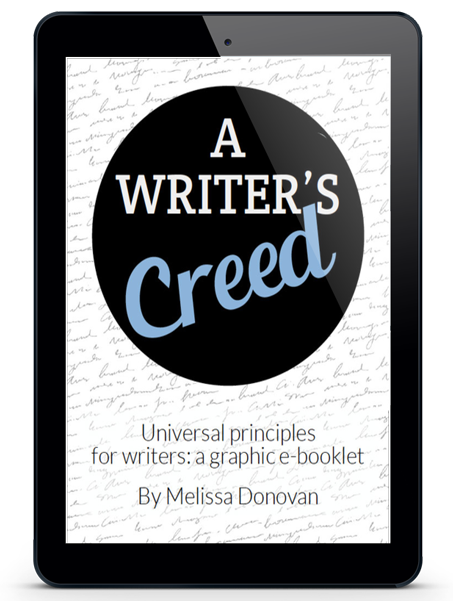
Subscribe and get The Writer’s Creed graphic e-booklet, plus a weekly digest with the latest articles on writing, as well as special offers and exclusive content.