
From 101 Creative Writing Exercises: Moral Dilemmas
Today’s creative writing exercise comes from 101 Creative Writing Exercises, a book I wrote on the craft of writing. This book takes you on an adventure through creative writing. You’ll explore different forms and genres of writing, including freewriting, journaling, memoir, fiction, storytelling, poetry, and article or blog writing. 101 Creative Writing Exercises imparts proven…Read More

From 101 Creative Writing Exercises: Chekhov’s Gun
Today’s post is from my book, 101 Creative Writing Exercises, which is available from your favorite online bookseller in paperback or as an ebook. This is from chapter six: “Storytelling,” and it’s called “Chekhov’s Gun.” Enjoy! Chekhov’s Gun Chekhov’s Gun is a literary device in which an element is mentioned in a story and its…Read More
From 101 Creative Writing Exercises: Your Gang
Today’s writing exercise comes from my book, 101 Creative Writing Exercises, which takes you on an adventure through the world of writing. You’ll explore different forms and genres while learning practical writing techniques. You’ll also get plenty of writing experience and ideas for publishable projects. Each chapter focuses on a different form or writing concept: free…Read More

From 101 Creative Writing Exercises: The Great Debate
Today’s post is from 101 Creative Writing Exercises. This exercise is from “Chapter 9: Philosophy, Critical Thinking, and Problem Solving.” It’s called “The Great Debate.” Enjoy! Logic, order, and organization are essential in clear and coherent writing, whether you’re telling a story or writing a poem. Critical thinking is a fundamental writing skill. If a…Read More

From 101 Creative Writing Exercises: The Incubator
Today’s post is an excerpt from my book, 101 Creative Writing Exercises. This is from “Chapter 11: Creativity,” and it’s called “The Incubator.” This exercise helps you process and organize your creative writing ideas. The Incubator Many creative professionals and hobbyists have found that creative ideas need time to incubate. In other words, you don’t…Read More

From 101 Creative Writing Exercises: Quoteworthy
Today’s post is an excerpt from 101 Creative Writing Exercises. This exercise is called “Quoteworthy.” It’s from “Chapter 4: Speak Up.” Enjoy! Quoteworthy One of the greatest achievements a writer can make is writing prose that is quoteworthy. Many great lines and slang words or phrases have come to us from plays, books, poems, and…Read More
From 101 Creative Writing Exercises: Invention of Form
Today’s post is an excerpt from 101 Creative Writing Exercises, a book that takes you on an adventure through the world of creative writing with exercises that offer techniques, practice, and inspiration. This exercise is from “Chapter 7: Form Poetry.” It’s called “Invention of Form.” Enjoy! Invention of Form Who came up with the sonnet…Read More

From 101 Creative Writing Exercises: Symbols and Symbolism
Today’s post comes from my book 101 Creative Writing Exercises (aff link). This is from “Chapter 5: Fiction.” Let’s take a look at symbolism in fiction. Symbols and Symbolism In Alice and Wonderland, a white rabbit appears, and Alice follows him down the rabbit hole that leads to Wonderland. The white rabbit is a herald —…Read More

From 101 Creative Writing Exercises: Everyone Has an Opinion
Today’s creative writing exercise comes from my book, 101 Creative Writing Exercises, which takes you on a adventure through various forms of creative writing: fiction, poetry, and creative nonfiction. This exercise is called “Everyone Has an Opinion,” and it’s from “Chapter 9: Philosophy, Critical Thinking, and Problem Solving.” Enjoy! Everyone Has an Opinion All good…Read More

From 101 Creative Writing Exercises: People Are People
101 Creative Writing Exercises takes you on an adventure through the world of creative writing. You get to experiment with fiction, poetry, and creative nonfiction while learning useful writing techniques. Today I’d like to share one of the exercises from the book. This is from “Chapter 3: People and Characters.” The exercise is titled “People…Read More
Subscribe
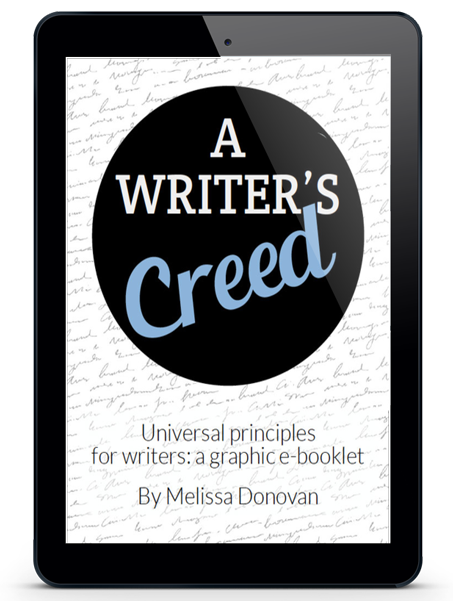
Subscribe and get The Writer’s Creed graphic e-booklet, plus a weekly digest with the latest articles on writing, as well as special offers and exclusive content.